CategoriesTips For Landlords

Rental Property Investing in OH: Surviving the Seasons

Ohio is a true four-season rental market, and that reality shapes everything about owning and operating investment property here. From hot, humid summers to snowy winters and everything in between, successful rental property investing in Ohio isn’t just about buying right — it’s about planning, budgeting, and maintaining ahead of the seasons.

Landlords who stay proactive tend to see fewer emergencies, lower repair costs, and happier tenants. Those who don’t? They often learn the hard way, usually with an after-hours service call and a hefty invoice. Here’s how smart Ohio property owners survive (and thrive) through all four seasons.


Spring: Reset, Repair, and Prevent Violations

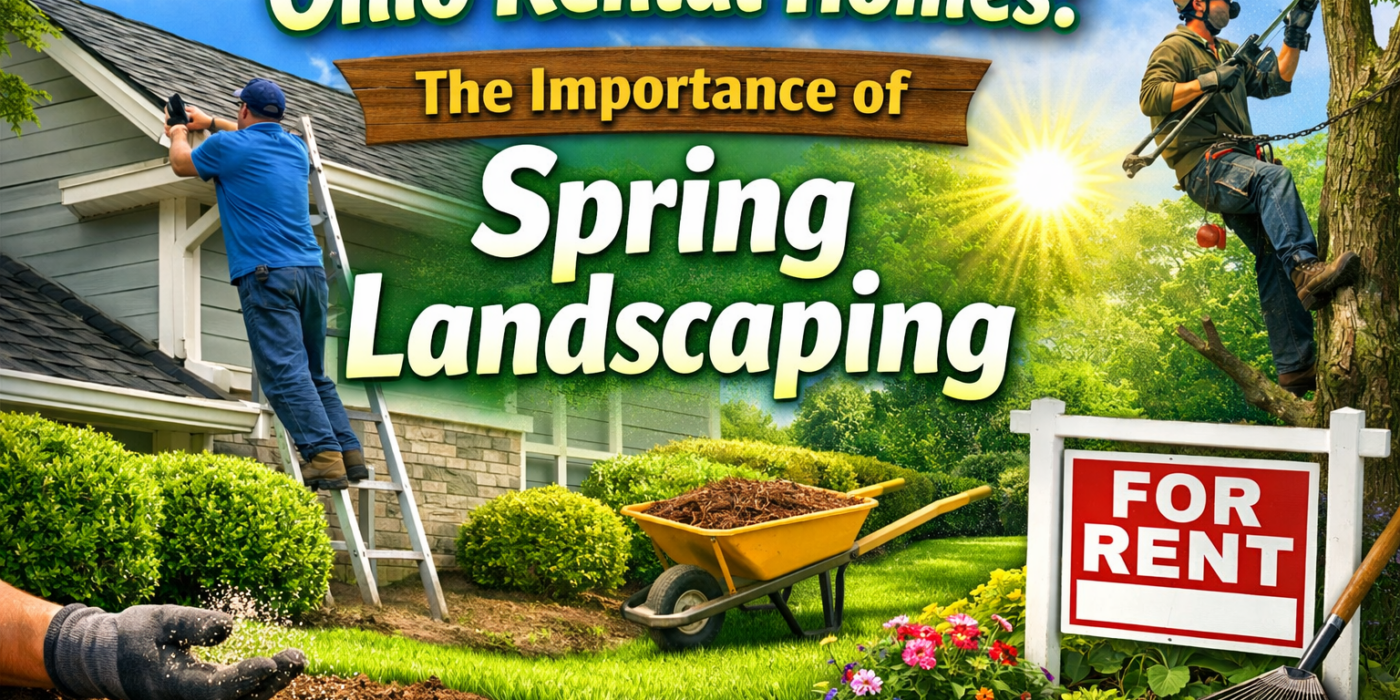
Spring is prime time for catch-up maintenance after a long Midwest winter. Snow, ice, and freeze-thaw cycles are hard on roofs, siding, sidewalks, and landscaping.

This is the season to:

  • Inspect roofs, gutters, and exterior trim for winter damage

  • Address exterior painting before peeling paint turns into city violations

  • Repair cracked walkways and loose handrails

  • Restart biweekly lawn care to keep properties compliant and curb-appeal strong

Many Ohio municipalities issue citations quickly once grass grows and paint peels. Budgeting for routine landscaping and exterior upkeep in spring helps avoid fines and tenant complaints later.


Summer: HVAC and Heavy Use

Summer brings higher utility usage, more wear on systems, and increased tenant expectations for comfort. Ohio summers can be hot and humid, and air conditioning failures are one of the most common emergency calls landlords receive.

Before peak heat hits, owners should:

  • Service AC units in late spring or early summer

  • Replace filters and inspect condensate lines

  • Check attic ventilation and insulation

Preventative HVAC servicing costs far less than emergency repairs during a July heatwave — especially when technicians are booked solid and charging premium rates.


Fall: Clean, Inspect, and Prepare for Cold

Fall is arguably the most important season for preventative maintenance in Ohio. It’s your last chance to prepare systems before winter stress hits.

Key fall tasks include:

  • Gutter cleaning to prevent ice dams and water intrusion

  • Furnace inspections and tune-ups

  • Checking weatherstripping, windows, and door seals

  • Draining exterior hoses and winterizing outdoor plumbing

Servicing furnaces in the fall saves money long-term. Emergency no-heat calls in January often come with higher labor rates, limited availability, and frustrated tenants — all avoidable with proactive care.


Winter: Safety, Access, and Rapid Response

Winter is about risk management. Snow, ice, and freezing temperatures introduce liability and habitability concerns.

Winter budgeting should include:

  • Snow plowing and ice management for driveways and walkways

  • Monitoring for frozen pipes

  • Rapid response plans for no-heat situations

Consistent snow removal isn’t just about convenience — it’s about preventing slip-and-fall claims and keeping properties accessible for tenants, mail carriers, and emergency services.


The Big Picture: Budgeting for a Four-Season Market

Rental property investing in Ohio works best when owners accept the reality of a four-season climate and plan accordingly. Annual maintenance budgets should account for:

  • Seasonal landscaping

  • HVAC servicing

  • Snow removal

  • Preventative inspections

Skipping maintenance rarely saves money — it usually just delays the expense until it’s bigger, louder, and more expensive.

The takeaway: In Ohio, strong returns don’t come from ignoring the seasons — they come from preparing for them. Proactive maintenance protects your asset, keeps tenants satisfied, and helps your investment perform year after year.

Rental property investing
CategoriesTips For Landlords

Is Cleveland, OH Good for Short-Term Rentals? A Real Talk Look at the Data

If you’ve been scanning Airbnb or VRBO listings in the Midwest, Cleveland might look interesting at first glance — lots of listings and lower property prices than many coastal metros. But if you’re evaluating short-term rentals (STRs) as an investment versus long-term annual rentals, the data tells a more nuanced story about risk, returns, and neighborhood dynamics.

Short-Term Rental Snapshot

As of late 2025, Cleveland’s short-term rental market shows a meaningful but not massive supply of Airbnb/VRBO-style properties. According to multiple market trackers, there are roughly 1,600‒1,700 active short-term rental listings in the city — whether on Airbnb, VRBO, or other platforms. For example Airbtics reported about 1,642 active Airbnb listings in the city with an average occupancy rate near 61% and an average daily rate around $116–$120.

Meanwhile, professional data provider AirDNA suggests there may be as many as 4,300 total vacation-rental-type properties captured in its system (Airbnb + VRBO + other vacation channels), though that broader dataset includes all kinds of short stays.

Typical STR revenue in Cleveland is modest compared to big tourist cities. Average annual Airbnb revenue hovers around $25,000–$26,000, with monthly revenue around ~$2,100, depending on occupancy and ADR mix. That’s not terrible, but it’s also not what you’d see in a high-tourism coastal market — and that’s before you factor in operating costs, cleaning, management fees, and property taxes.

City officials are actively discussing more regulation of STRs, estimating between 900 and 1,500 short-term rentals, and proposing licensing and density caps to prevent blocks of homes from turning into transient zones.

Long-Term Rental Landscape

By contrast, Cleveland’s long-term rental market dwarfs the short-term space in sheer scale. Realtor.com reports about 1,500 long-term rentals currently on the market, with median rents around $1,200-$1,665 per month, depending on source and neighborhood.

Cleveland’s overall housing stock — nearly 200,000 housing units according to census data — consists of a large renter base. So even with only ~1,500 active listings at any given time, long-term rentals represent a much bigger share of the active rental economy than short-term units do.

Cleveland also has a significant affordable housing and subsidy footprint. The Cuyahoga Metropolitan Housing Authority (CMHA) manages over 10,500 affordable housing units, and roughly 17,000 housing choice (Section 8) vouchers are used by renters across Cuyahoga County — many concentrated in Cleveland’s East Side.

These subsidized units help meet low-income housing needs but also signal strong long-term demand for stable, affordable rentals rather than transient occupancy. That rental demand tends to favor annual leases over short-term stays.

Risks of Short-Term Rentals in Cleveland

Beyond the numbers, there are non-financial risks worth weighing:

  • Crime rates and disruptive guest behavior — especially party crowds — are a well-documented concern in parts of the city and can lead to property damage and neighborhood pushback against STRs. Community sentiment in some areas has been vocally against heavy STR presence.

  • STRs often require more hands-on management, turnover cleaning, and compliance with evolving city rules — all of which eat into profits.

  • The seasonal nature of leisure demand in Cleveland means off-peak months can be slow, reducing effective revenue compared to year-round long-term leases.

Management Costs: STR vs. Long-Term Rentals

One of the starkest differences between these strategies is operating costs:

  • Long-term rental property management typically runs about 8.5% of rental income with professional firms — a relatively predictable cost for landlords.

  • Short-term rentals, on the other hand, often incur much higher costs, including:

    • Platform commissions and service fees (Airbnb/VRBO collect ~15–20%, sometimes more).

    • Professional STR management fees (often 15–30% of gross revenue for full service).

    • Cleaning fees and turnover costs between every guest stay (a category STR rarely incurs in long-term rentals).

    • Utility, furnishing, and hospitality-level maintenance costs that are ongoing.

    • Higher risk of property damage or wear and tear from transient guests — especially if attracting “party” crowds.

All of this eats directly into that headline STR revenue; in many cases, net profits after these costs can be equal to or less than what a long-term rental would produce, without the headaches of daily turnover. (Many seasoned investors argue STRs need to outperform long-term rentals by 20%+ just to justify the extra work and risk.)

Conclusion: Long-Term Rentals Still the Safer Bet Here

When you stack up the data, Cleveland’s STR market is real and active — but not overwhelmingly profitable, and it’s dwarfed by long-term rental demand. For most investors in this market, long-term annual rentals deliver steadier cash flow, lower vacancy risk, and fewer operational headaches.

Short-term rentals can work — especially if you’ve got a distinctive property or target niche travelers (for instance, visitors to local sporting events or seasonal festivals) — and might make more sense in destination markets like cabins in Amish country or resort towns.

But for Cleveland proper, where affordable housing needs are high and long-term demand remains stable, annual rentals are likely the smarter strategy for most investors.